Mistral AI’s $13B Bet Positions It as Cheaper Alternative to OpenAI

Europe’s most valuable AI startup is building its empire on a deceptively simple premise: powerful artificial intelligence does not have to be expensive.
Efficiency Over Excess
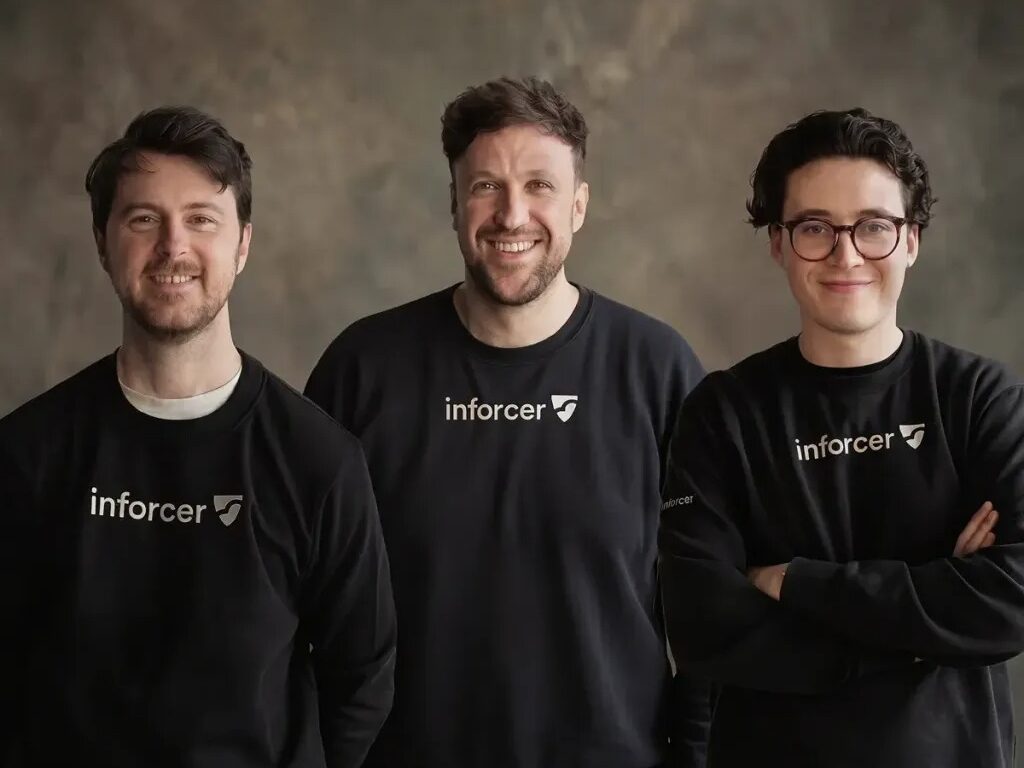
Mistral AI, the Paris-based startup founded in 2023 by former DeepMind and Meta researchers Arthur Mensch, Guillaume Lample, and Timothée Lacroix, has emerged as a formidable challenger to OpenAI and Anthropic by making affordability its core competitive weapon. Valued at approximately $13 billion following a €1.7 billion Series C led by chipmaker ASML, Mistral is now targeting over $1 billion in annual recurring revenue by end of 2026 up from just $20 million ARR roughly a year ago. Its annualised revenue has already surpassed $400 million, a 20x climb that few AI startups have matched at this pace.
At the heart of Mistral’s strategy is its open-weight model philosophy, allowing developers and enterprises to download, fine-tune, and deploy models independently, bypassing the costly API dependencies that define rivals like OpenAI and Anthropic. Its Sparse Mixture of Experts architecture delivers GPT-4-class performance using just 7 billion parameters versus 175 billion, slashing compute costs by over 95%. The flagship product, Mistral Large, benchmarks against industry leaders at a fraction of the inference cost.
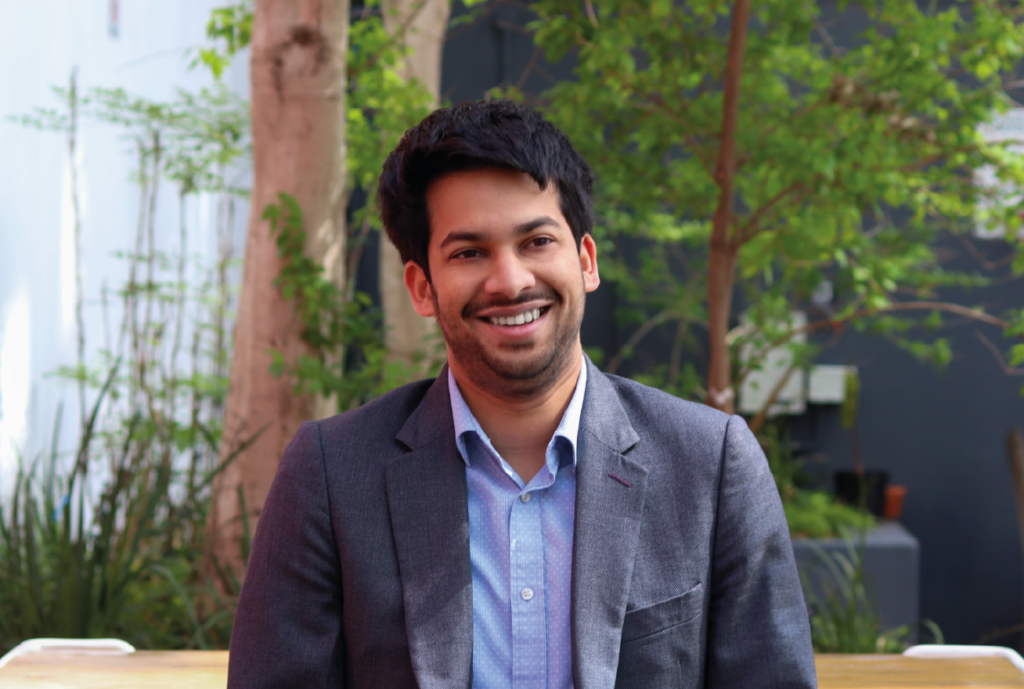
Beyond model efficiency, Mistral is leaning hard into data sovereignty a pitch resonating strongly across Europe, where enterprises and governments are wary of US platform dependencies. Early enterprise customers include Ericsson, the European Space Agency, and Singapore’s DSO. CEO Arthur Mensch noted the company tripled its business in 100 days earlier this year, with most growth originating outside the US.
As OpenAI and Anthropic race toward trillion-dollar IPO valuations, Mistral is positioning itself as the affordable, open, sovereign alternative a cheaper AI that enterprises increasingly prefer when budgets run dry.