Google Cloud Next ’26 Launches Gemini Enterprise Agent Platform and 8th-Gen TPUs
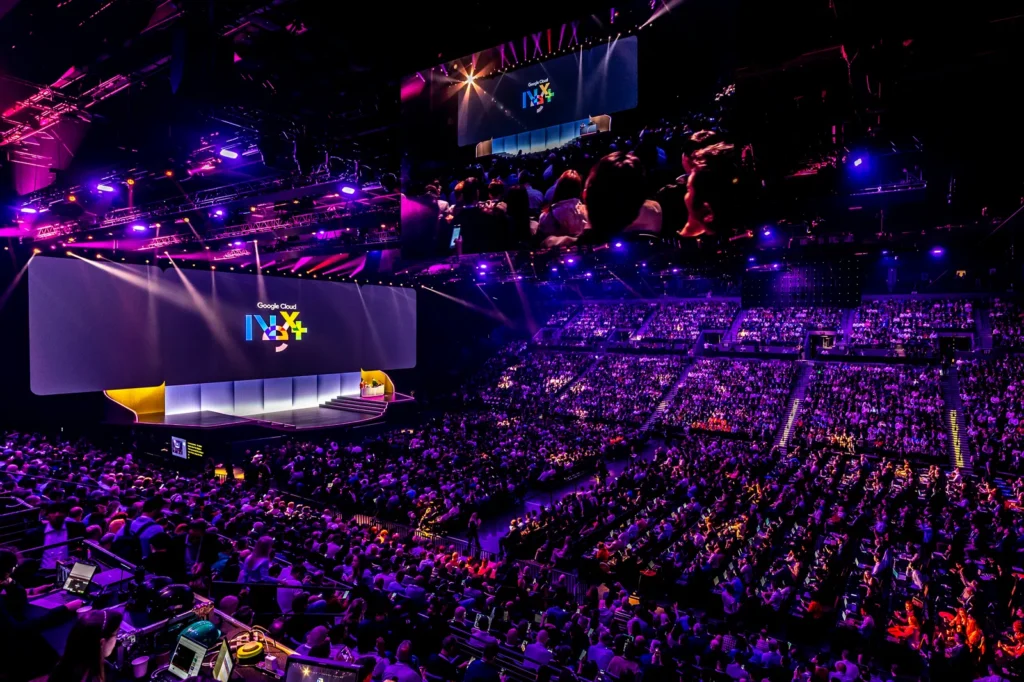
Google Cloud Next ’26 delivered a clear message this week in Las Vegas. The agentic era is no longer a concept. It is here. It is already running at scale.
The annual event brought together developers, business leaders, and technology partners. Together, they witnessed some of the boldest AI announcements Google has made in years. The highlights touched everything from custom chip hardware to everyday workplace tools.
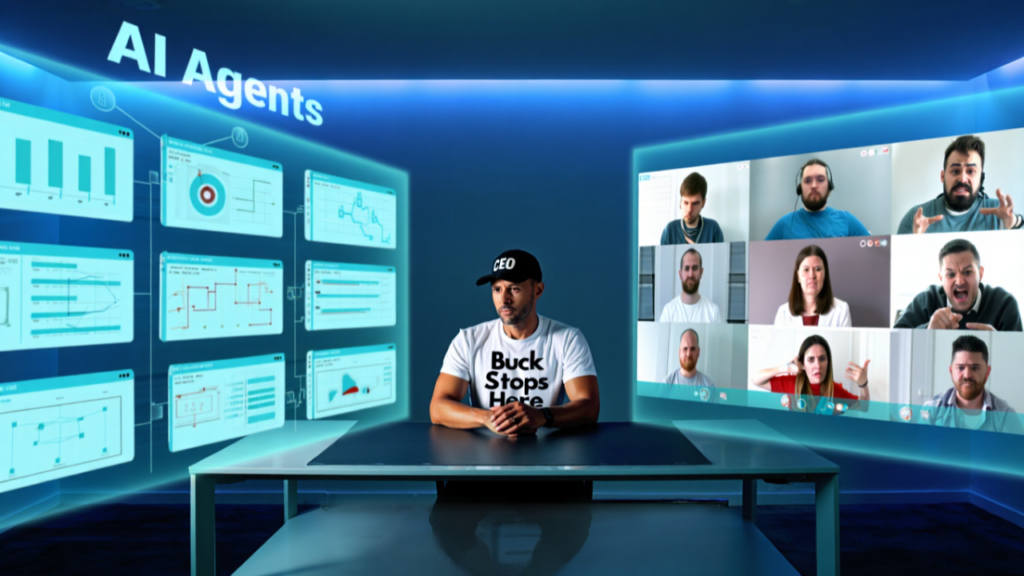
The biggest launch at Google Cloud Next ’26 was the Gemini Enterprise Agent Platform. It is a complete, end-to-end workspace for building, governing, and scaling AI agents. Technical teams get direct access to Gemini 3.1 Pro for complex workflows, Gemini 3.1 Flash Image for visual assets, and Lyria 3 for professional audio. Google also added Anthropic’s Claude Opus 4.7, expanding its open-model commitment further.
For non-experts, Agent Studio offers a low-code interface. It lets developers and business users build agents using plain natural language, no machine-learning background required. Alongside the platform, Google launched the Gemini Enterprise app, which brings agentic power directly to the everyday workforce. Its no-code Agent Designer lets anyone build trigger-based workflows without writing a single line of code. For more complex tasks, long-running agents operate autonomously inside secure cloud sandboxes. A central Agent Inbox then keeps everything visible, so users can monitor and guide their AI helpers without losing track.
On the hardware front, Google unveiled the eighth-generation TPU chips at Google Cloud Next ’26. The TPU 8t handles fast AI model training. The TPU 8i focuses on inference and delivers 80% better performance per dollar. Google will also be among the first cloud providers to offer NVIDIA Vera Rubin NVL72 systems.
To match this raw computing power, Google introduced the Virgo Network, a custom data centre fabric built to connect supercomputers at massive scale. Its Managed Lustre storage system moves up to 10 terabytes of data per second.
Data management got a major overhaul as well. The new Agentic Data Cloud reorganises enterprise data so AI agents can act on it in real time. Its Knowledge Catalog autonomously tags and connects data across the business, giving agents genuine context. The Cross-Cloud Lakehouse, built on Apache Iceberg, goes one step further. It lets companies query their data wherever it lives, even inside AWS, without moving a single file.
Security was equally front and centre at this year’s event. Google is combining its threat intelligence with Wiz’s security platform to deliver agentic defence. Three new specialised agents lead the charge. A Threat Hunting agent, a Detection Engineering agent, and a Third-Party Context agent. Wiz is now officially part of Google Cloud, which strengthens its ability to protect apps across multicloud environments. Wiz has also added Databricks to its list of supported platforms.
Collaboration tools got a major boost too. Workspace Intelligence breaks down the walls between Docs, Drive, Meet, and Gmail. Users can now ask Gemini in Chat to pull information from across Google Workspace and act on it immediately, scheduling meetings, drafting documents, all without leaving the chat window.
Real-world results were equally on show at Google Cloud Next ’26. The Home Depot is using Gemini to power a phone and in-store assistant that gives shoppers expert advice instantly. Papa John’s has deployed an Ordering Agent that remembers repeat customers’ usual orders. Mars and Citadel Securities are using AI to speed up quantitative research. Meanwhile, Unilever is rolling out agents across its entire organisation to serve its 3.7 billion consumers worldwide.
Google Cloud Next ’26 made one thing unmistakable, businesses are not waiting to adopt AI. They are already building with it, and the results are real.