The Cloud You Knew Is Gone. The Rise of AI-Native Infrastructure Will Run the World

The internet ran on data centers. Now, AI is rebuilding them entirely. The rise of AI-native cloud infrastructure is not a gradual evolution, it is a full reconstruction, and it is already underway. Microsoft alone has committed $190 billion in 2026 capital expenditure to lead it.
Why the Rise of AI-Native Cloud Infrastructure Breaks the Old Model
Traditional cloud infrastructure stored and served data. AI, however, demands something fundamentally different. The global AI surge now strains power grids and hardware supply chains. Rising energy costs, tight data center budgets, and industry-wide hardware shortages mean organizations can no longer scale simply by adding more hardware. Instead, storage must become more efficient and intelligent by design.
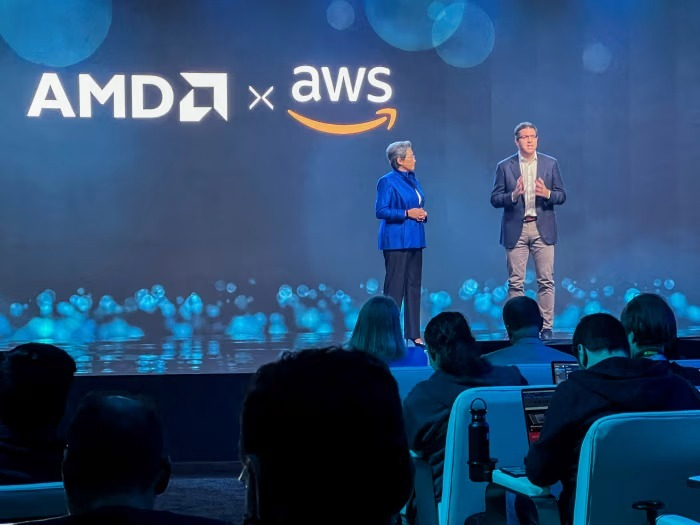
Microsoft, therefore, is responding with purpose-built systems. Maia 200 now runs in production, Cobalt 200 VMs are in preview, and a new open network protocol, Multipath Reliable Connection, co-developed with AMD, Broadcom, Intel, OpenAI, and Nvidia keeps extreme-scale AI workloads moving reliably. Consequently, these are not upgrades. They are replacements.
The Numbers That Define This Infrastructure Shift
The investment scale is without precedent. CEO Satya Nadella confirmed the company added 1 gigawatt of additional capacity in the March quarter alone.
Furthermore, Azure revenue grew 39% year-on-year in Q2 FY2026, with Microsoft optimizing across silicon, systems, and software for “tokens per watt per dollar.” That single metric tells you everything. As a result, the cloud no longer measures itself by uptime alone, it now measures AI output.
How AI-Native Infrastructure Already Powers Everyday Life
This is where the shift connects directly to daily life. Hospitals run AI diagnostics. Banks detect fraud in real time. Logistics firms optimize supply chains by the hour. All of it depends on this infrastructure. Moreover, Microsoft’s “Frontier Transformation” platform positions Azure as a foundation built for agents, intelligence platforms, and continuous learning.
Businesses outside Big Tech are equally affected. In fact, Microsoft itself already uses AI-driven tools to enhance and maintain its own native cloud infrastructure, adopting workflows that deliver long-term returns across the organization. That approach, similarly, is the model every business will eventually follow.
The rise of AI-native cloud infrastructure is the most important structural shift in enterprise technology since the public internet. Therefore, waiting is not a neutral decision, it is a competitive disadvantage.
Start by auditing your current cloud setup against AI-readiness benchmarks. Then explore what Azure’s agent-era infrastructure offers your industry at azure.microsoft.com. Finally, follow the full Build 2026 recap at Microsoft News to stay ahead of what is coming next.
The rebuild is not on the horizon. It is already here.
Writer: Princely Oriomojor