Architect Labs Raises $24M For AI Chip Design Startup

San Francisco-based Architect Labs has raised $24 million in seed funding for its AI chip design startup, positioning itself as a smaller challenger to chip giants Broadcom and Marvell.
Taking on a multibillion-dollar design duopoly
Broadcom and Marvell currently design custom AI and general-purpose computing chips for major cloud companies including Amazon and Alphabet’s Google, generating tens of billions of dollars in revenue and offering hyperscalers an alternative to Nvidia’s hardware. Architect Labs wants to use artificial intelligence to speed up and cut the cost of that design process, which today takes roughly two years and can cost hundreds of millions of dollars in labor, research and development.
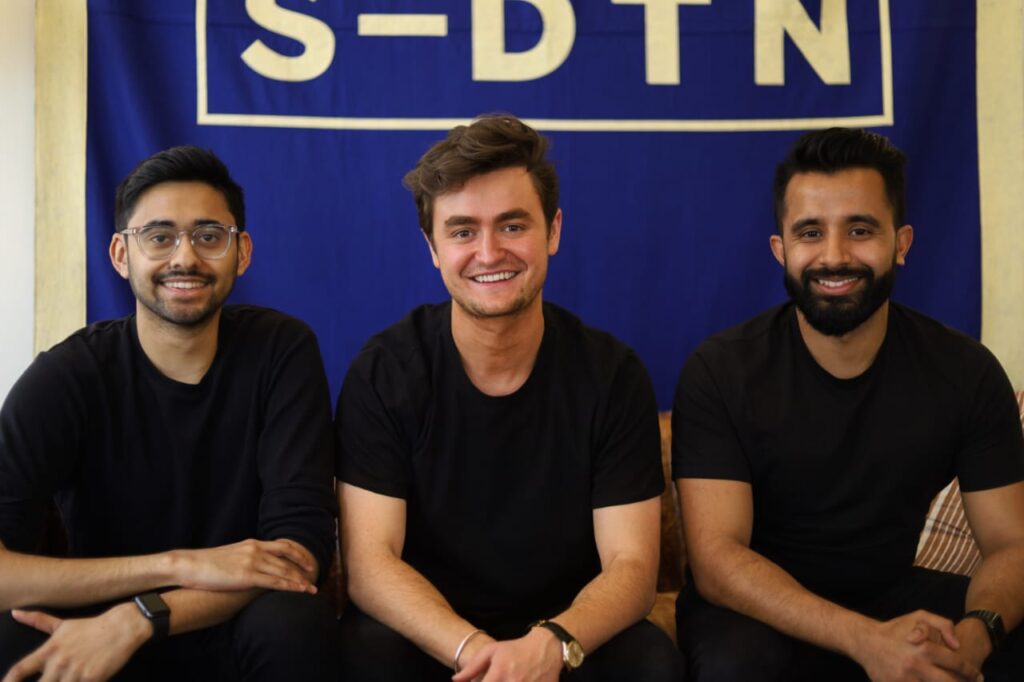
The Palo Alto-based AI chip design startup was founded by Ebrahim Hussain and Aaditya Subedi and currently employs about 18 people split between machine learning and hardware engineering. The company plans to work with chip companies looking to accelerate design timelines, as well as software firms that want custom silicon to run their applications faster and more efficiently.
“Their biggest problem today is not necessarily the backend execution or the layout,” Hussain said. “Their biggest thing is how can I take this workload that I want to deliver to the world, whether it be AI or robotics or anything like that, and how can I build the chip architecture.”
Subedi said the company’s broader ambition is to make chip design as accessible as Taiwan’s TSMC has made chip manufacturing.
The seed round was led by Kindred Ventures, with participation from TQ Ventures, Race Capital and Together Fund. Notable individual backers include Google DeepMind chief scientist Jeff Dean, along with executives from OpenAI and Nvidia, underscoring strong industry confidence in Architect Labs’ approach to custom chip design. The investment highlights growing appetite for AI-driven tools that could reshape how the global semiconductor industry designs next-generation custom processors going forward.