Nvidia and KAIST Launches AI Research Lab With $300M to Power Korea’s Agentic AI Push

Quick Read
- Nvidia and KAIST are launching the Nvidia-KAIST AI Joint Research Lab, Nvidia’s first such lab in Asia
- The deal is worth $300 million over five years, including $50 million a year in compute resources
- The lab will sit at KAIST’s Kim Jaechul Graduate School of AI and focus on agentic AI built for the Korean language and local industries
- It will fund at least 10 KAIST researchers a year and give them access to Nvidia’s latest AI infrastructure through local cloud partners
- Announcement came as Jensen Huang met Korean President Lee Jae-myung in San Francisco
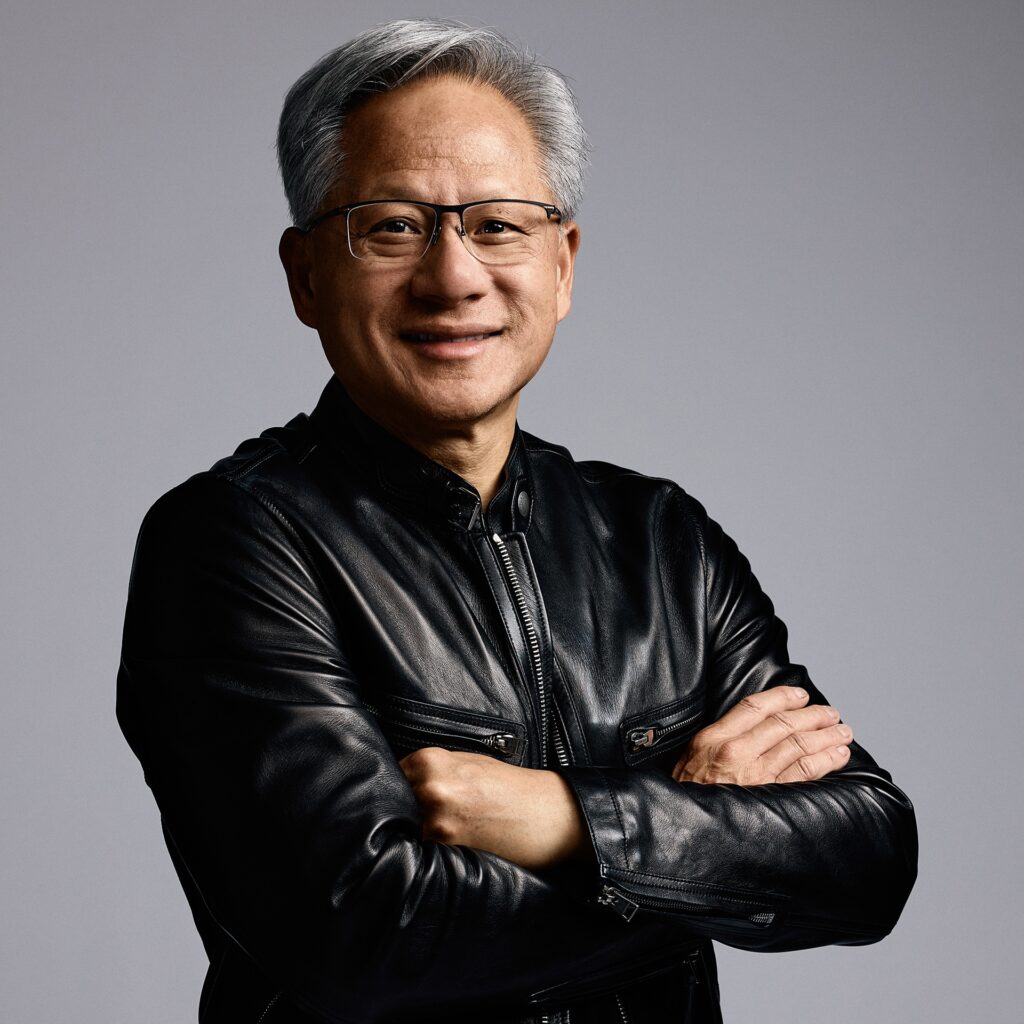
The Nvidia KAIST AI research lab is officially a go, and it’s a big one. Jensen Huang confirmed the news himself in San Francisco, unveiling a $300 million partnership that will run over the next five years, with $50 million a year going straight into computing power for researchers.
The new lab will be based at KAIST’s Kim Jaechul Graduate School of AI in Seoul, and it’s Nvidia’s first joint AI research lab anywhere in Asia. That’s a meaningful milestone, not just a nice headline. The goal isn’t generic AI research, it’s agentic AI, systems that can act on their own with minimal human input, built specifically around the Korean language and Korea’s industrial needs. Think AI tools trained to actually understand Korean the way local businesses and government use it, rather than translated versions of English-first models.
Nvidia KAIST AI Research Lab
Nvidia is bringing its full stack of AI tools, including its open Nemotron models, together with computing power supplied through local Nvidia Cloud Partners. KAIST will pick at least 10 researchers a year to receive funding and internship opportunities, giving them hands-on access to Nvidia’s newest hardware and software.
Song Chong, who heads the Kim Jaechul Graduate School of AI, called it a new model for industry-academia collaboration, one that combines top research talent with serious infrastructure. The bigger picture here is Korea trying to build a sovereign AI ecosystem, meaning the country wants to develop and own its own AI capabilities rather than simply importing tools built elsewhere.
The lab announcement also lines up with a broader push from Nvidia into Korea this year, including a similar research partnership with Seoul National University and chip supply deals with Samsung, Hyundai, and SK Group. For Nvidia, it’s as much about securing top engineering talent early as it is about goodwill. For Korea, it’s a chance to plant a flag in the global agentic AI race.