Strait of Hormuz Blockade: China warns US move dangerous as tankers pass

Quick Reads
- The United States began enforcing a Strait of Hormuz blockade on April 13, targeting all ships calling at Iranian ports.
- At least three vessels, including two US-sanctioned tankers, transited the strait on Day 1 without being stopped as they avoided Iranian ports.
- China’s Foreign Ministry called the US blockade dangerous and irresponsible, warning it could further destabilise the already fragile ceasefire in the region.
- The blockade followed 21 hours of US-Iran peace talks in Islamabad, which collapsed over the weekend without reaching any agreement between both sides.
- Diplomatic channels remain open, with Pakistan offering to host further talks and Trump insisting a deal with Iran is still possible.
Tankers Move Through Despite the Strait of Hormuz Blockade
At least three vessels entered the Gulf through the strait on Tuesday. Two of them were US-sanctioned tankers. According to Al Jazeera, all three were cleared because they were not heading to Iranian ports.
One vessel, the Panama-flagged Peace Gulf, was heading to Hamriyah in the United Arab Emirates. Shipping data from LSEG and Kpler showed the tanker typically carries Iranian naphtha for re-export to Asia. Two other sanctioned ships, Murlikishan and Rich Starry, also transited the waterway.
Rich Starry is owned by Shanghai Xuanrun Shipping Co Ltd. The vessel and its owner were previously sanctioned by the US for dealing with Iran. The Chinese-owned tanker was carrying roughly 250,000 barrels of methanol.
Al Jazeera’s Malik Traina, reporting from Kuwait City, noted the dual-authority problem. “There’s a real risk of escalation here,” he said. “If Iranian vessels are stopped, Iran could perhaps stop other vessels from the Gulf.”
Beijing Calls US Action “Dangerous and Irresponsible”
China is a major stakeholder in the Strait of Hormuz crisis. It buys more than 80 percent of Iran’s exported oil, according to Kpler data. China imported 1.4 million barrels of Iranian crude per day last year.
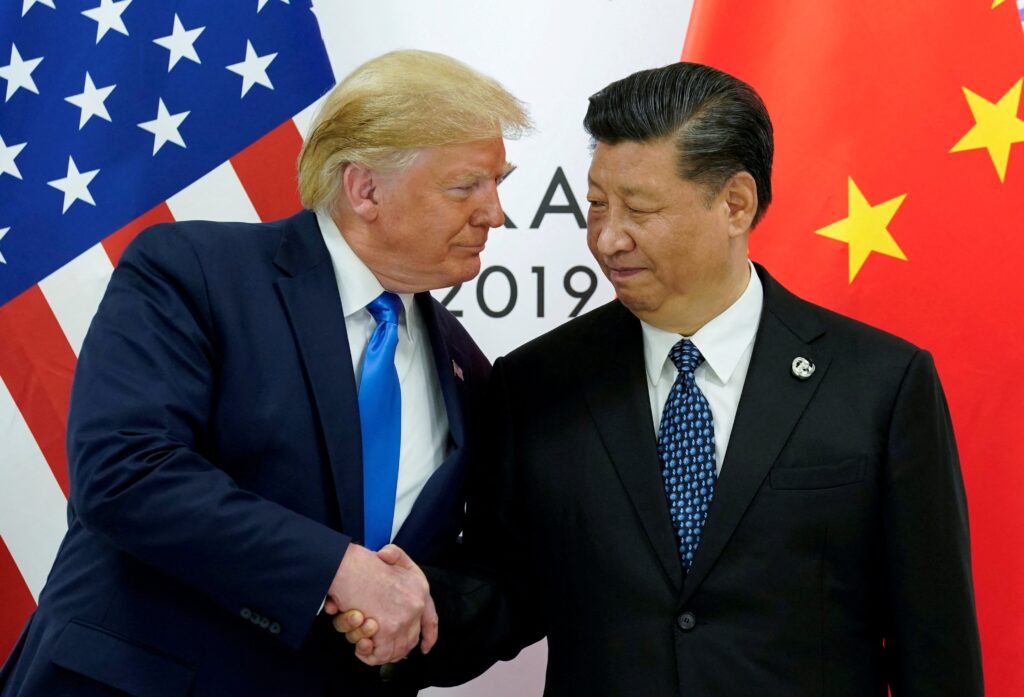
Reuters reported that China’s Foreign Ministry urged all parties to show restraint on Monday. Spokesperson Guo Jiakun said the US action “will only exacerbate tensions and undermine the already fragile ceasefire agreement.” He called the blockade “dangerous and irresponsible behaviour.”
Chinese Foreign Minister Wang Yi also weighed in. He told the UAE President’s special envoy in Beijing that the blockade does not serve the international community’s common interests. Wang said a “comprehensive and lasting ceasefire” was the only real path forward.
Beijing also rejected claims it was supplying weapons to Iran. Guo called such reports “groundless smears.” Trump had threatened 50 percent tariffs on any country found arming Iran.
How the Blockade Works, and Its Limits
The US Central Command confirmed the blockade at 10 a.m. ET on Monday. It targets all maritime traffic entering or leaving Iranian ports and coastal areas. CENTCOM clarified, however, that it will not impede neutral transit through the strait to or from non-Iranian destinations.
The strait is only 34 kilometres wide at its narrowest point. In peacetime, around 120 ships pass through daily. About a fifth of the world’s oil and gas normally flows through it. Since the US-Israel attacks on Iran began on February 28, Iran had already restricted that flow by more than 90 percent.
Iran’s de facto control over the route had pushed energy prices sharply higher globally. The new US blockade now aims to strip Tehran of that leverage. But analysts warn the move is high-risk. Iran still has mines, drones, and missiles that could target naval vessels enforcing the blockade. Israel said it supports Trump’s decision. Israeli Prime Minister Benjamin Netanyahu confirmed he is in “constant coordination” with Washington on the matter, according to a statement from his office cited by Reuters. The UK declined to join the blockade, with Prime Minister Keir Starmer saying Britain’s goal was to keep the strait open through diplomatic and minesweeping efforts.
Diplomacy Still Active Despite Collapse of Islamabad Talks
The weekend talks in Pakistan lasted 21 hours. They broke down over Iran’s nuclear ambitions, its demand for reparations, and its insistence on retaining leverage over the strait. Trump has said he believes Iran still wants a deal.
Pakistan confirmed it remains willing to host further rounds of talks. Diplomatic contact between all sides is reportedly continuing. Trump said on Monday that the ceasefire was “holding well,” with neither Iran nor Gulf states reporting fresh strikes overnight.
France and the United Kingdom announced plans to co-organise a multinational conference on restoring freedom of navigation through the strait. French President Emmanuel Macron said the meeting would take place “in the coming days.”