Elon Musk Offered Sperm to OpenAI Board Member Who Now Has Four of His Children

A former OpenAI board member has revealed in a federal court how Elon Musk’s offer to donate sperm led to her having four of his children, in extraordinary testimony that has added a deeply personal dimension to a high-profile legal battle over the future of artificial intelligence.
Shivon Zilis, a longtime venture capitalist and executive across several of Musk’s companies, testified for hours on Wednesday in Oakland, California as part of Musk’s lawsuit seeking to reverse OpenAI’s conversion into a for-profit company.
Zilis told the court that Musk made the offer in 2020, at a time when she had been dealing with health issues that complicated her plans to start a family through more traditional means. “I still really wanted to be a mum and Elon made the offer around that time and I accepted,” she said. She added that Musk had been actively encouraging people around him to have children, and had noticed she had not. “He offered to make a donation,” she said.
The Elon Musk OpenAI board member sperm donation disclosure forms one of the more startling details to emerge from the ongoing legal proceedings. Zilis said she and Musk had a brief romance around a decade ago but were not in a relationship in 2020 when she accepted his offer. Their initial agreement was for Musk to play a limited role in the children’s lives, and both parties agreed to keep his paternity “strictly confidential.” Today, Musk is actively involved, spending a few hours a week with all four children.
Zilis joined OpenAI as an advisor in 2016, shortly after the company was founded, and served as a director there from 2020 to 2023. She has also held senior roles at Tesla and Neuralink, giving her a rare vantage point across Musk’s expanding empire and the AI industry’s inner workings.
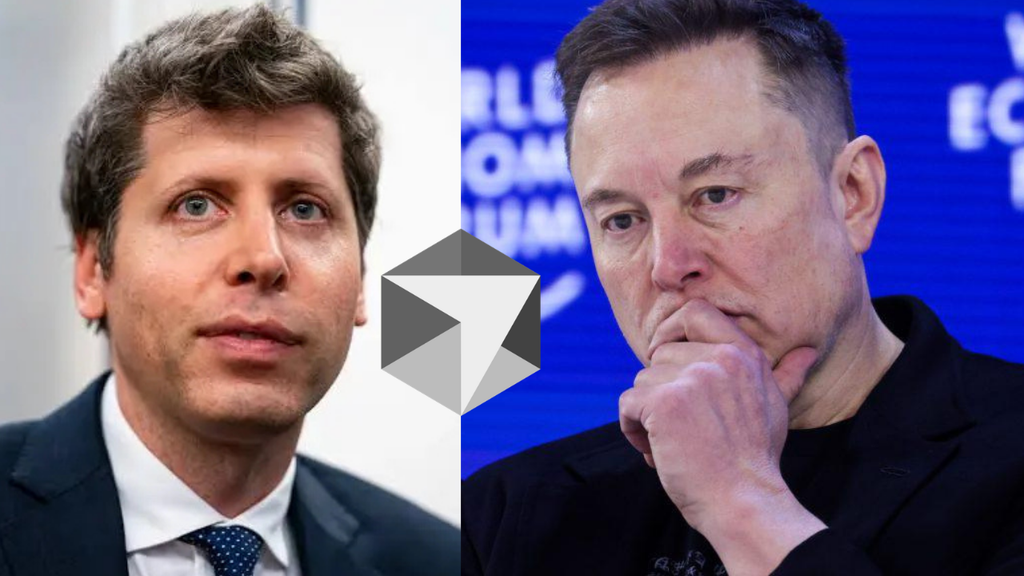
Because of the confidentiality agreement, Zilis said she did not inform OpenAI CEO Sam Altman that twins she gave birth to in 2021 were fathered by Musk. She disclosed the paternity to Altman the following year, only after learning that Business Insider was about to publish a report on the matter. Despite the revelation, both Altman and OpenAI president Greg Brockman wanted her to remain on the board, and Zilis said the three stayed friends until at least 2023.
Brockman, speaking separately earlier this week about Zilis’s years on the board after Musk had departed the company, said simply: “We trusted her to keep the Elon conflict under control.”
Zilis departed the board in March 2023, the same period Musk was launching xAI, his own AI venture and a direct competitor to OpenAI’s ChatGPT.
At the heart of the lawsuit are years of emails and messages among Zilis, Altman, Brockman, and Musk that have been entered into evidence. The documents reveal that as early as 2017, moving away from OpenAI’s pure non-profit structure was seen as essential to attract billions in investment. Musk, according to the records, pushed for greater personal control over OpenAI, including additional board seats, and even floated the idea of folding OpenAI into Tesla, potentially as a B Corp subsidiary. Zilis noted in a written exchange at the time that such a move “solves the funding issue immediately.”
Ultimately, those discussions broke down. According to an email from Zilis shown in court, Altman, Brockman, and co-founder Ilya Sutskever were united on one point: Musk must “not have control” of OpenAI’s work.