Satya Nadella Says Token Maxing Is Addictive but Costly

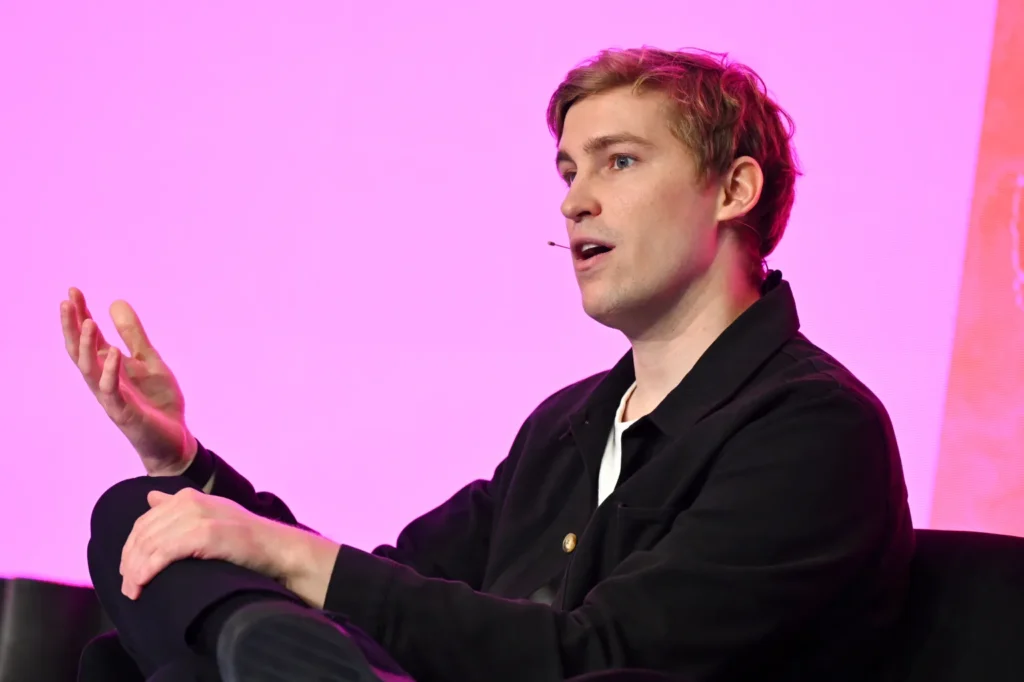
Microsoft CEO Satya Nadella has admitted he is guilty of token maxing, even as he pushes back on the trend inside the company. Speaking at a live taping of The New York Times’ Hard Fork podcast, Nadella was asked how much token maxing was happening at Microsoft. His answer came before the question was even finished: “A lot.” He then added, “I’m a tokenmaxxer too, it’s addictive.”
Token maxing, or tokenmaxxing, refers to the habit of using the most powerful and expensive AI models for every task regardless of whether the job actually calls for it. Silicon Valley companies spent much of the past year pushing workers to use AI as much as possible, with some firms even tracking usage through internal leaderboards that measure tokens processed. Now that the bills are piling up, the conversation has shifted.
Nadella urged workers to match tasks to the right model, saying “Don’t use frontier models for non-frontier problems,” and pointed to Microsoft Copilot’s auto mode as the solution. His core argument is an economic one. The hard truth, he says, is that the marginal cost of productivity improvement has to match the marginal cost of the token. Burning expensive compute on low-stakes tasks, in his view, does not drive real economic growth.
Nadella did not say Microsoft is limiting employee AI use, but made clear that workers should step back once the novelty wears off and ask what they are actually trying to create.
The Satya Nadella token maxing remarks come alongside a broader vision for how software development itself is changing. He envisions developers no longer writing code directly, but instead overseeing hundreds or thousands of AI agents, with the new core skill being what he calls “cognitive coverage,” meaning the ability to deeply understand code that agents have written. That still requires a computer science foundation, he noted, but the day-to-day work will look very different.
Nadella also revealed he recently built an AI tool through vibe coding that monitors workplace conversations and autonomously updates connected code projects. The comments reflect a company trying to lead on AI while also grappling with the real costs of scaling it across a 220,000-person workforce.