OPay Plans NGX Listing, Opening Door for Nigerians to Own Shares

Quick Read:
- Belema Fintech CEO Michael Adesola says rising transaction volumes are straining payment infrastructure.
- He’s calling for stress-testing, redundancy, and stronger interoperability among banks, fintechs, and telecoms.
- Users don’t care who’s at fault when a transaction fails, reliability is now the industry’s biggest test.
Africa’s fintech growth is accelerating fast, but the systems powering it may not be keeping pace, according to Michael Adesola, Acting Managing Director and CEO of Belema Fintech.
Speaking at the Nigeria Fintech Forum, Adesola said the continent’s booming digital finance sector is placing growing strain on the infrastructure behind it, from payment switches to cloud systems, and warned that reliability, not adoption, should now be the industry’s top priority.
He noted that as more consumers and businesses move transactions online, the margin for error keeps shrinking. A failed transaction feels the same to a customer whether the fault lies with a bank, a payment processor, or a switch somewhere in the chain, he said, and users rarely care which party dropped the ball.
That, Adesola argued, is exactly why Africa’s fintech growth cannot be separated from the health of its underlying digital infrastructure. He pointed to transaction failures as one of the sector’s most persistent pain points, pushing fintechs and their partners to build tighter, more dependable connections across platforms.
His prescription includes stress-testing systems under real-world conditions before scaling them, and building in redundancy so services keep running even when parts of the system fail. He also flagged interoperability as a growing priority, since Nigeria’s payment ecosystem spans multiple banks, fintechs, and infrastructure providers that all need to “speak” to each other securely and consistently.
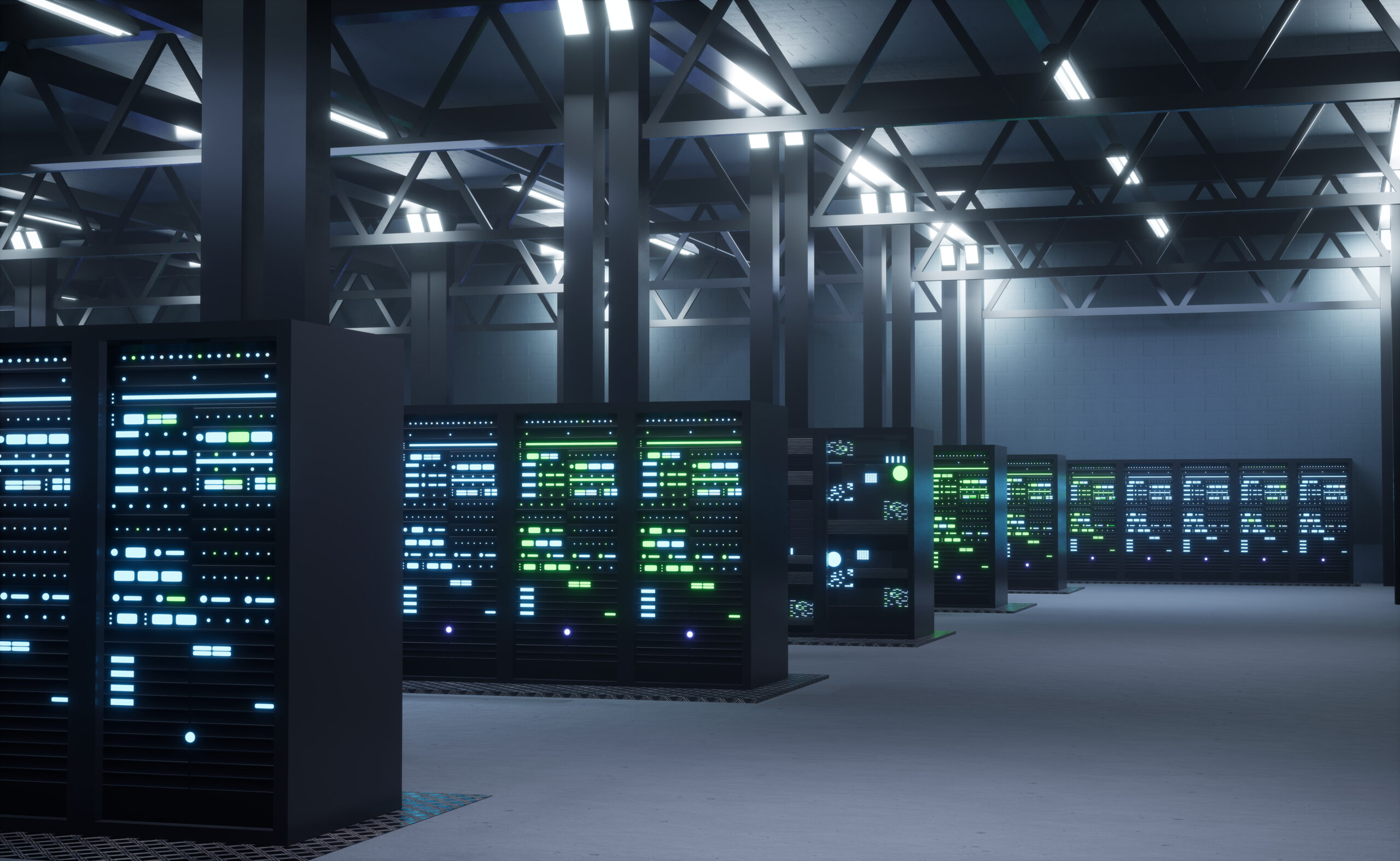
Beyond consumer apps, Adesola stressed that fintech reliability rests on a much wider stack: telecom networks, data centres, banking rails, cloud infrastructure and cybersecurity systems. A weak link anywhere in that chain, he said, can ripple out to affect businesses and everyday users alike.
The comments add to a broader conversation about whether Africa’s fintech growth can be sustained without matching investment in the infrastructure that supports it, an issue Adesola says will require coordinated effort from banks, telecom operators, regulators and fintech players alike, rather than any single actor working in isolation.