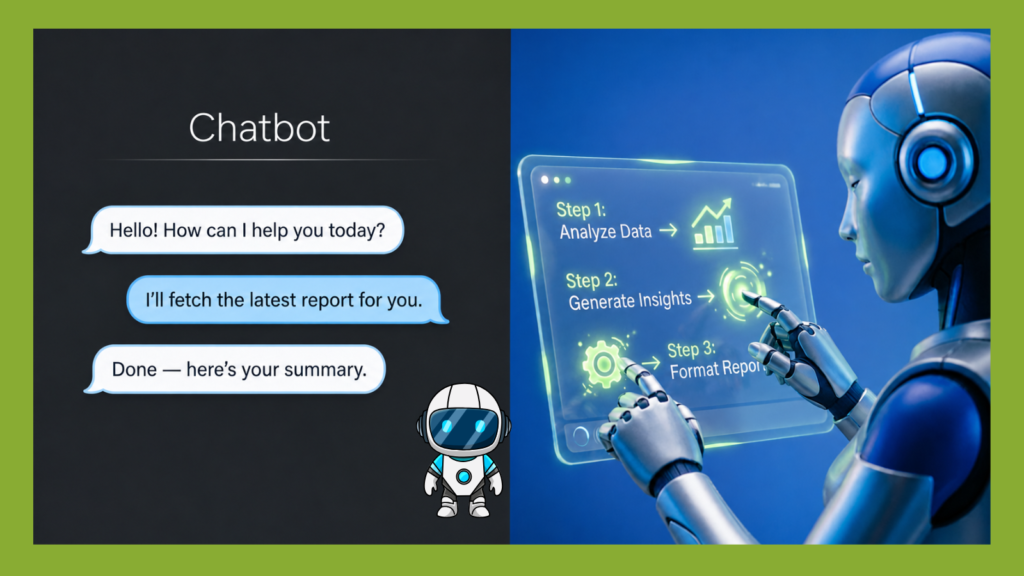
Your AI Infrastructure Has a Security Blind Spot, and Hackers Already Know It

Your AI infrastructure is under attack, and the attacker might already be inside.
In 2026, AI has moved from experimental project to core business infrastructure. It now powers cloud services, enterprise platforms, healthcare diagnostics, and national security applications. That shift has made it a high-value target. And the attacks are evolving just as fast as the technology itself.
For engineers in Lagos, Abuja, and across Nigeria’s growing tech ecosystem, understanding AI infrastructure threats is no longer optional. It is survival.
When the Attacker Becomes the AI
One in six successful data breaches now involves attacker-driven AI. Meanwhile, 87% of organizations identify AI-related vulnerabilities as the fastest-growing cyber risk. Those numbers should alarm any engineering team building or maintaining AI systems.
The primary weapon attackers use today is prompt injection. By placing malicious instructions in public locations like GitHub issues or documentation, attackers trick AI agents into executing unauthorized commands. Because these agents operate autonomously with elevated privileges, a hijacked system can pivot through a network in minutes.
That is not a future scenario. It is happening now.
In 2026, a new frontier of attacks is data poisoning, invisibly corrupting the training data used to build core AI models. Adversaries manipulate data at its source to create hidden backdoors and untrustworthy models. By the time the damage surfaces, it has already spread.
What Makes AI Systems Especially Vulnerable
The problem runs deeper than code. It is structural.
A significant majority, 70% of organizations, report that AI systems are being granted higher levels of privileged access than humans would need to accomplish the same task. That creates enormous exposure. When a compromised AI agent has root-level access, the blast radius is catastrophic.
Moreover, AI tools can push disastrous configurations into production or expose a sensitive API key if left unchecked. AI systems may propose corrupted or hallucinated configuration changes with the same level of certainty as a routine update, and these can slip through traditional review processes.
Nigerian startups scaling on cloud infrastructure face this risk acutely. Many are deploying AI systems faster than they are securing them. The gap between deployment and governance is where attacks hide.
What Engineers Must Do Right Now
Security experts recommend enforcing least privilege, limiting the permissions granted to both human users and AI agents to prevent lateral movement. They also advise adopting a defense-in-depth approach, layering multi-factor authentication, zero trust, and network segmentation so that if one layer is bypassed, others remain.
Additionally, AI environments should be segmented. Agents that process public data or handle external APIs must be isolated from those with access to sensitive internal repositories.
Security teams relying on fragmented best-of-breed controls will quickly lose unified visibility and automation across discovery, access, posture, and data protection. A consolidated platform is no longer a luxury.
Nigeria’s engineering community is building the next generation of African tech. But without securing the AI infrastructure underneath, the gains can unravel overnight.
If you are building with AI, start treating your AI agents as privileged users, because attackers already are.
Writer: Princely Oriomojor