AI Is Eating the World’s Power Grid and Ordinary People Are Starting to Pay the Price
Quick Reads
- The AI industry is on a spending spree that will push Amazon, Google, Meta, and Microsoft
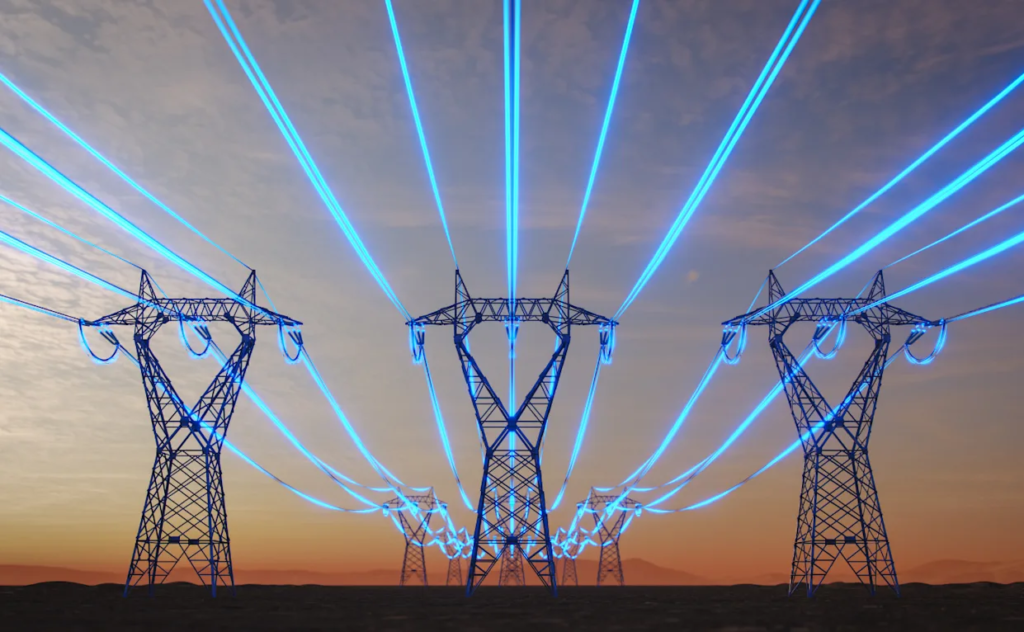
- Data centres already consume about 4% of all electricity generated in the United States, and that figure could more than double to as high as 12% by 2028.
- Communities across the US are fighting back, with cities in New York, New Orleans, Wisconsin, Georgia, and Michigan imposing or debating bans on new data centre construction.
- Up to 50% of announced data centre projects may be delayed because there is not enough power on the grid to bring them online on schedule.
- The smartest bet in the AI boom may no longer be in AI itself
The scale of what tech companies are building right now is hard to wrap your head around. Nvidia CEO Jensen Huang estimated that between $3 trillion and $4 trillion will be spent on AI infrastructure by the end of the decade, with tech giants placing immense strain on power grids and pushing the industry’s building capacity to its limits.
The numbers behind individual deals are just as staggering: Amazon is projecting $200 billion in 2026 infrastructure spending, Google between $175 billion and $185 billion, and Meta between $115 billion and $135 billion, with hyperscalers collectively planning to spend nearly $700 billion on data centre projects in 2026 alone.
U.S. data centres consumed more than 4% of the country’s total electricity in 2023, and by 2030 that fraction could rise to 9%, according to the Electric Power Research Institute. A single large data centre can consume as much electricity as 50,000 homes. A report commissioned by solar installer Sunrun found that 80% of consumers are already worried about the impact of data centres on their electricity bills. For Nigeria and much of Africa, where power supply is already unreliable, the global scramble for energy to feed AI data centres could make access to cheap electricity even harder to secure.
The backlash from ordinary people is now reaching lawmakers. A new bill in New York State would impose a three-year moratorium on new permits for data centre construction throughout the state. Communities in New Orleans, Madison, Wisconsin, and dozens of cities across Georgia and Michigan have already passed or proposed similar pauses. Tech companies spent years getting generous tax breaks to build these facilities.
The power crunch is already slowing the AI boom itself. A report by Sightline Climate found that up to 50% of announced data centre projects may be delayed, with access to power cited as one of the biggest reasons. Of the 190 gigawatts of data centres being tracked, only 5 gigawatts are currently under construction. Companies are scrambling for alternatives to nuclear deals, private solar farms, and massive battery installations, but none of these come fast enough.
Goldman Sachs projects AI will drive data centre power consumption up 175% by 2030, a figure that makes the current strain on grids look modest by comparison. Researchers at Sightline Climate argue that the smartest AI investment right now may not be in AI at all, but in energy technology batteries, grid software, and power conversion hardware, which could hedge against an AI bust while the electrification of everything else ensures lasting demand. The companies selling picks and shovels, as ever, may end up richer than the ones digging for gold.