Florida Congressional Candidate Sells $800K in Bitcoin to Fund Election Campaign

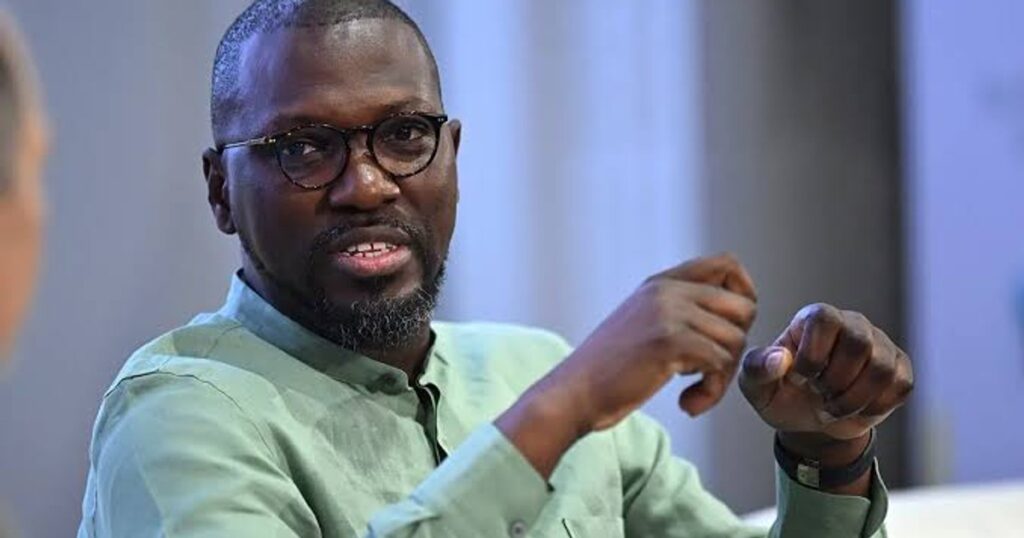
A Florida congressional candidate is putting his Bitcoin where his ballot is. Michael Carbonara, founder of digital banking and payments firm Ibanera, recently sold 10 BTC, converting the holdings into $800,000 worth of Circle’s USDC stablecoin to help finance his Republican bid for Florida’s 22nd Congressional District, his campaign spokesperson confirmed.
The move makes Carbonara one of the more high-profile examples of a crypto-native entrepreneur using personal digital asset holdings to bankroll a U.S. congressional run. His campaign also accepts cryptocurrency donations from external supporters, operating within Federal Election Commission guidelines, a path that other politicians, including President Donald Trump and Health Secretary Robert F. Kennedy Jr., have previously followed.
The Florida congressional candidate’s liquidation of Bitcoin comes in the wake of a redistricting shakeup. Before the state’s congressional map was recently redrawn, Carbonara had been locked in a competitive fundraising battle with Rep. Debbie Wasserman Schultz (D-FL), who represents Florida’s 25th District. According to data from OpenSecrets, both candidates had raised nearly identical totals, Carbonara pulling in $2.52 million to Schultz’s $2.48 million, before redistricting pushed each toward different seats.
The bulk of Carbonara’s war chest, roughly $2.3 million, has come from personal loans, with his latest Bitcoin liquidation representing the newest tranche of self-financing. Around $50,000 has come from individual contributors, and no special interest money has entered the picture yet, per FEC records.
Carbonara is not alone in treating crypto as a campaign tool this cycle. Mark Moran, an independent Virginia Senate candidate, made waves earlier this year by embracing a meme coin as part of his political strategy. Meanwhile, crypto PAC Fairshake recently claimed victory in six primary races after deploying $20 million in industry backing.
Beyond the funding angle, Carbonara is positioning himself as a blockchain accountability advocate. He argues that the same technology underpinning digital assets could bring real-time transparency to government spending, an idea Kennedy floated in 2024 when he proposed putting the U.S. budget on-chain before ending his presidential campaign.
“Blockchain doesn’t hide inefficiency and fraud. It exposes them,” Carbonara told Decrypt. “The opacity in politics today comes from the legacy financial system, not from the technology that’s threatening to replace it.”
Whether voters in South Florida will rally behind a candidate running on crypto transparency remains to be seen, but his willingness to liquidate Bitcoin to make his case suggests he’s serious about the race.