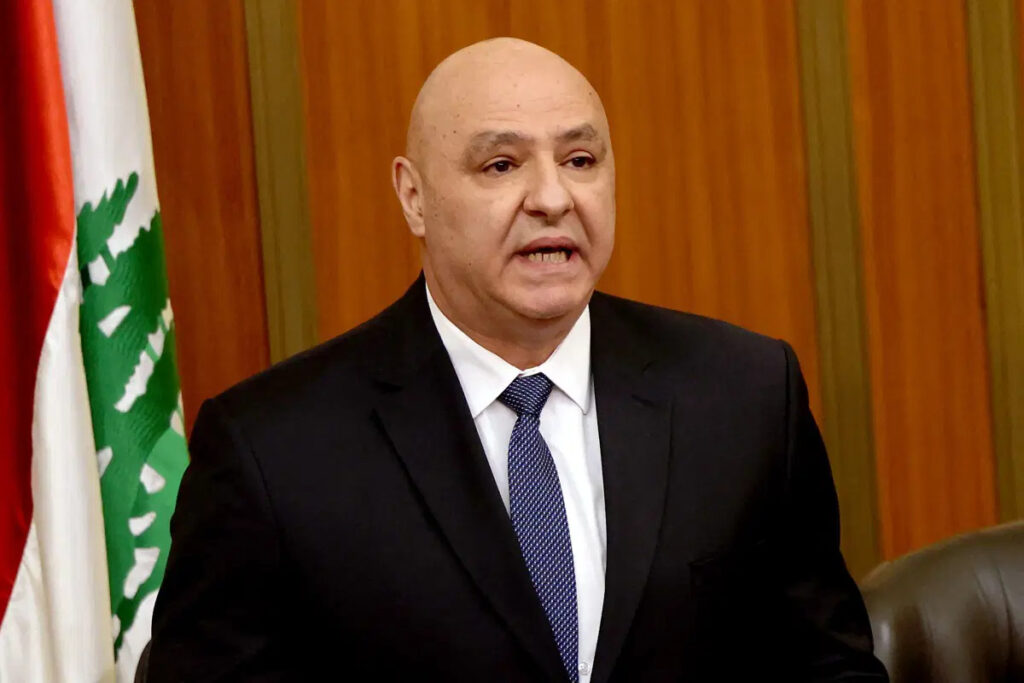
Luke Dashjr Removed as Bitcoin BIP Editor After BIP-110 Fork Stalls

Quick Reads:
- Luke Dashjr was removed as a Bitcoin BIP editor on August 10, 2026, the first such ouster in Bitcoin’s history.
- The removal took just 25 hours and 58 minutes from motion to confirmation.
- BIP 3, the document defining the editor role, has no written appointment or removal procedure, none.
- The trigger: Dashjr’s alleged conflict of interest tied to BIP-110, a failed soft fork he helped draft while serving as its approving editor.
- BIP-110’s rival chain froze at block 961,633 after peaking at just 2.53% miner support, far short of the needed 55%.
- Dashjr keeps his role at Bitcoin Knots node software but has announced a sabbatical from Ocean mining pool.
The Bitcoin BIP editor removal that played out this week has left the crypto world stunned, not because Luke Dashjr was pushed out, but because of how casually it happened. On August 10, 2026, Bitcoin’s remaining protocol editors stripped Dashjr of his access to the repository that assigns official numbers to Bitcoin Improvement Proposals. It was the first time a sitting BIP editor has ever been removed. And it was done using a process that, technically, doesn’t exist on paper.
The document governing the role, BIP 3 on GitHub, spells out editors’ duties in detail but says nothing about how they’re appointed or dismissed. That gap has existed for years. It still exists today. What’s new is that an informal removal just happened inside that gap, and now it’s the only precedent anyone has to point to.
The saga traces back to BIP-110, a contentious soft fork proposal aimed at restricting Ordinals inscriptions, BRC-20 tokens, and Runes from clogging the blockchain. Dashjr was tied to it in three ways at once: he was credited as an early drafter, he was the editor who assigned it a BIP number, and he chaired Ocean, the mining pool that provided effectively all the proposal’s miner signaling. That overlap is exactly what fellow editor Mark “Murch” Erhardt cited when he filed a formal removal motion on August 9, alleging Dashjr fast-tracked the proposal, made minimal editorial contributions since 2024, and championed a fork that drifted toward becoming a full break from Bitcoin’s mainline.
Dashjr fired back within 49 minutes, calling the accusations false and telling Erhardt “you are the one who should be removed.” But support for the motion piled up fast from senior developers including Olaoluwa Osuntokun, Anthony Towns, and Jonas Nick, who pointed to Dashjr’s public posts insisting BIP-110 “is Bitcoin” while it never cracked 3% miner support. Jon Atack merged the pull request striking Dashjr’s name from BIP 3 after more than a dozen thumbs-up reactions and a handful of “ACK” comments, hardly a formal vote, but enough to settle it.
BIP-110 itself had already collapsed by then. Its minority chain produced just two blocks before freezing at block 961,633, and Ocean’s hashrate cratered by roughly 96.5% in a single day as miners abandoned it, according to Bitcoin News. The fork is now marked Closed.
What makes this Bitcoin BIP editor removal so consequential isn’t just Dashjr’s exit, it’s that Bitcoin’s protocol gatekeeping now runs on an unwritten rule born out of one heated weekend. As Bitcoin security expert Jameson Lopp put it, in comments confirmed by crypto.news, there’s “no formal governance structure” for managing or removing editors. Developer Antoine Riard has proposed formally amending BIP 3 to require editor neutrality and a written dismissal process, but as of now, nothing has changed on paper.
Dashjr still leads Bitcoin Knots, the alternative node software that shipped BIP-110’s enforcement rules, meaning the node operators stuck on that frozen minority chain are still relying on software under his direction. He’s also announced a sabbatical from his Ocean leadership roles, saying the move serves “Bitcoin’s long-term health.”
Bitcoin’s price barely blinked through any of it, trading around $64,002 the evening of August 10, per CoinGecko. But the governance question hanging over the network hasn’t gone anywhere: the next time an editor dispute erupts, will Bitcoin have a written rule to follow, or just the memory of what happened this week?