AI Agents Software Development: Act Now or Fall Behind

AI agents software development is already reshaping how code gets built. At Rakuten, engineers assigned an AI agent a complex function inside a 12.5-million-line codebase. The agent finished autonomously in seven hours, with 99.9% numerical accuracy. No breaks. No meetings. No pending pull requests.
That result is not a forecast. It is today’s baseline.
These agents do far more than autocomplete lines. They receive a goal, break it into steps, write code, run tests, catch errors, and loop back until the task is complete. According to the Stack Overflow Developer Survey 2026, 71% of developers now use AI-driven tools daily. On average, each saves 9.4 hours per week. That is not a productivity tweak. It is a fundamentally different way of working.
AI Agents Software Development: From Assistant to Executor
By Q1 2026, 78% of agent sessions involved coordinated edits across multiple files. In Q1 2025, that figure was only 34%. Today, therefore, one instruction triggers changes across imports, test files, and configurations at once. The gap between idea and working product is collapsing fast.
Agents now handle tasks that run for hours or even days. They plan, iterate, recover from errors, and maintain full project context throughout. As a result, full application builds and technical debt reduction are more feasible than ever before. Humans now check progress at key milestones rather than managing every single step.
The numbers are equally striking. At TELUS, teams using Claude Code shipped code 30% faster and saved over 500,000 hours. Each interaction averaged 40 minutes saved. Meanwhile, Spotify built an internal tool called “Honk.” It lets engineers deploy features in minutes simply by describing what they want in plain English through Slack.
What Nigerian Developers Must Do Now
For Nigerian engineers, the timing could not be more critical. AI agents software development tools, including Claude Code and GitHub Copilot, are now embedded in daily engineering workflows globally. However, the competitive advantage is no longer typing code faster. It is knowing which problems are worth solving.
Global GitHub code uploads rose 78% year-on-year in Q1 2026 as AI-assisted tools became mainstream. Consequently, software creation is accelerating, and digital job demand may expand, not shrink. Developers in Yaba, Abuja, and Port Harcourt who adopt agentic tools now will not just keep pace with global teams. They will compete directly.
Still, the shift is moving faster than most enterprises can absorb. Benefits and risks are being distributed unevenly. Therefore, acting early is not optional, it is strategic.
The Engineer’s Role Is Upgrading, Not Disappearing
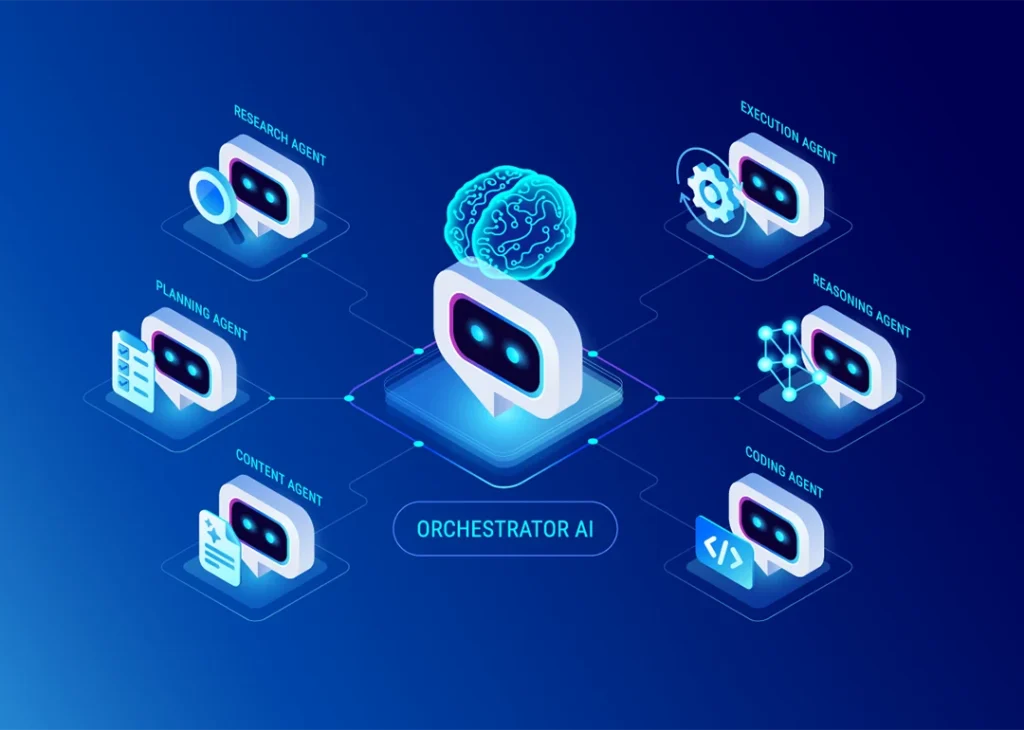
The engineer of 2026 will spend less time writing foundational code. Instead, they will orchestrate AI agents, reusable components, and external services. Their value will come from designing system architecture, setting precise guardrails, and validating final output. Ultimately, systems thinking replaces syntax as the core skill.
Currently, 55% of engineers regularly use AI agents. Furthermore, agent users are nearly twice as likely to feel excited about their work compared to non-users. The divide between teams that have adopted agentic workflows and those still debating it is already wide enough to affect commercial results.
AI agents software development is not a future trend to prepare for. It is a present reality to act on. For Nigerian tech teams aiming to build faster, ship smarter, and compete globally, the window to gain an early edge is open right now.
Writer: Princely Oriomojor