OpenAI Executive Departure Crisis Shake Company Amid Strategic Overhaul

Quick Reads
- The OpenAI executive shake-up deepened as three senior leaders exited on the same day, raising concerns about internal stability.
- The company is cutting costly “side projects,†including shutting down Sora, as it shifts focus toward enterprise growth and profitability.
- Leadership exits follow recent internal changes, including Fidji Simo’s medical leave and a role shift for COO Brad Lightcap.
- Despite strong revenue growth and massive valuation gains, OpenAI is still projecting billions in annual losses.
- Ongoing departures highlight tensions between research ambitions and commercial priorities as OpenAI moves toward a potential IPO.
OpenAI executive departure crisis is intensifying after three senior leaders exited simultaneously, signaling deeper internal shifts and growing concerns.
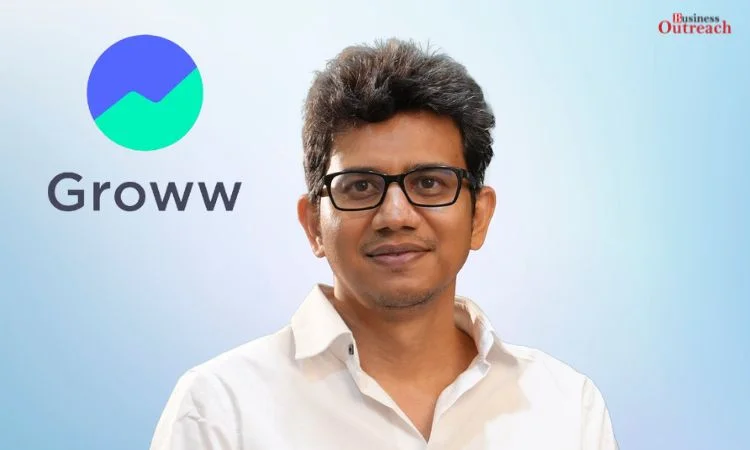
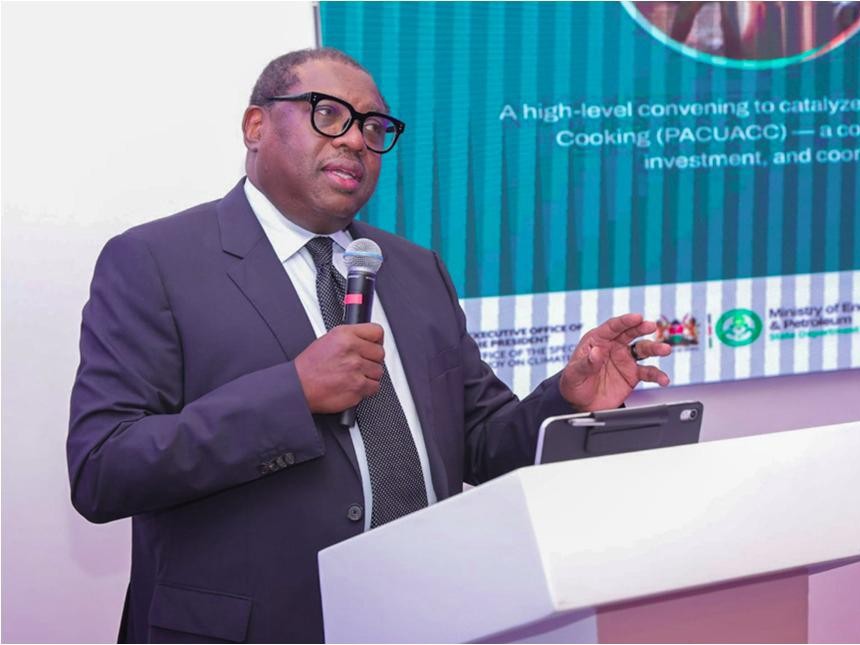
On April 17, 2026, three senior leaders, Kevin Weil, Bill Peebles, and Srinivas Narayanan, announced their departures simultaneously. This added fuel to a growing pattern of executive turbulence at one of the world’s most valuable AI startups.
The OpenAI executive depature crisis comes as the company moves to kill off what it has internally labeled “side quests”, ambitious but costly projects that no longer align with its push toward enterprise dominance and a potential IPO. Sora, which was reportedly losing an estimated $1 million per day in compute costs, was shut down last month. OpenAI for Science, the internal research group behind Prism, an AI platform aimed at accelerating scientific discovery, is being absorbed into other research teams.
Weil, who moved from the CPO role to lead the science initiative, kept his farewell measured. He described his tenure as “a mind-expanding two years” and said accelerating scientific discovery remains one of the most meaningful potential outcomes of the push toward artificial general intelligence. Peebles, for his part, was more reflective. He credited Sora with sparking major investment in AI video across the industry. He argued such research needs space beyond company roadmaps. Narayanan, after three years at the company, called his exit a personal decision. He plans to spend time with family before deciding next.
But the timing is hard to ignore. Their exits come just weeks after Fidji Simo, OpenAI’s product and business chief, announced she would take a medical leave. And earlier this month, COO Brad Lightcap was reassigned to a special projects role reporting directly to CEO Sam Altman, a move that observers widely read as a demotion.
The OpenAI executive depature crisis is not a new phenomenon. Only two of OpenAI’s eleven co-founders remain, with talent moving to Anthropic, Meta’s labs, and startups. Some executives left over ethical concerns about a Defense Department AI contract, while others cited a shift toward operational priorities.
Financially, OpenAI presents a contradictory picture. Monthly revenue reached about $2 billion, with a $25 billion annual run rate, $122 billion funding round, and 900 million weekly users. Yet the company projects $14 billion losses on $25 billion revenue this year, with total spending expected to reach $115 billion. As OpenAI consolidates products, folding Prism into Codex and pursuing a “superapp,†questions remain about retaining key talent. The Verge reported internal unease, describing an organisation facing leadership turnover and shifting priorities as it races to scale. For now, the exits keep coming.